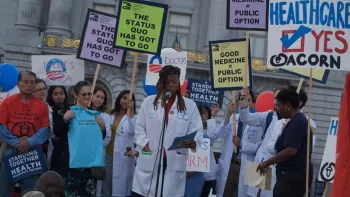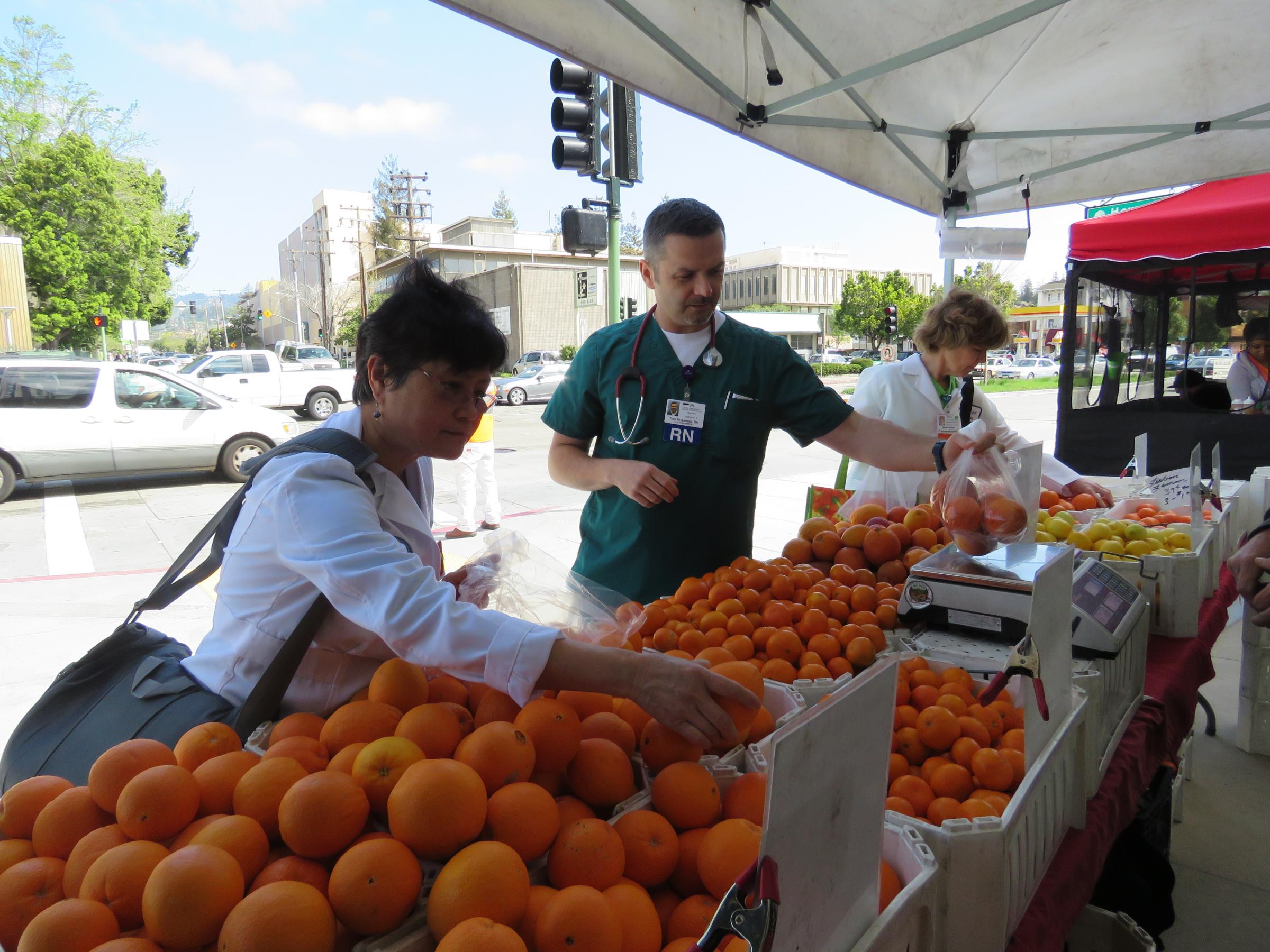
Prevention Institute’s health systems transformation efforts focus on broadening out the definition of the health system to include all the organizations and sectors that contribute to people’s health. The health system in the United States is typically thought of as the network of hospitals, health plans, and community health centers where people receive clinical care. But the system that supports thriving and equitable communities is far broader. During the COVID-19 pandemic, public health agencies and the work they do to support community health, safety, and wellbeing were thrust into the spotlight. Community-based organizations also play a crucial role: during the pandemic, they provided food, financial support, eviction protection, ways to maintain social connection, and other basics that communities need in order to be healthy.

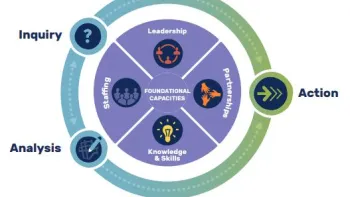
PI advocates for improved integration of all the elements of the system, increased financial support to keep the system stable, and changes to aspects of the system that are perpetuating health inequities and racial injustice. We collaborate with health system partners and to redesign and augment the existing system so that it prioritizes improved health outcomes for communities of color, immigrants, communities with low incomes, and other groups that the health system has previously neglected.

Health Systems Transformation > Content Buckets

The Community-Centered Health Homes model, first presented by Prevention Institute in 2011, provides a concrete framework for healthcare organizations to systematically address the community conditions that impact their patients. It combines years of prevention experience about how to keep people from getting sick or injured, with insight gained from interviewing healthcare organizations around the country who were inspired to improve their patients’ health and the health of the communities around them.

In late January, government officials announced a timeline for Medicare’s shift to paying clinicians based on quality of care rather than quantity of services. The community-centered health homes model is an example of this broader way of thinking. Expanding on the patient-centered medical home, it links high-quality medical care with prevention strategies for improving community conditions.

Learn more

The Accountable Community for Health model is emerging as a promising vehicle toward reaching the full potential of the Triple Aim-particularly efforts to improve population health. Accountable Communities for Health: Opportunities and Recommendations, Prevention Institute's report for the state of Vermont, presents research and analysis conducted by Prevention Institute to inform the potential development and application of the Accountable Community for Health (ACH) model.

Learn more

In this new memo, Prevention Institute shares strategies for leveraging partnerships and collaboration between health institutions and community change efforts with an aim to spur innovation and success for applicants seeking these new funding opportunities. Although the strategies offered are applicable across the six new Funding Opportunity Announcements (FOAs) “to advance the nation’s chronic disease prevention and health promotion efforts" released by the Centers for Disease Control and Prevention, we focus in particular on the State and Local Public Health Actions to Prevent Obesity

Learn more

Compiled by Prevention Institute (with support from the Kresge Foundation), the following eight profiles demonstrate how states are moving beyond silos to partner within and outside of state governments to support innovative initiatives that advance population health. These profiles were prepared in response to the Center for Medicare and Medicaid Innovation's interest in the important role of states in facilitating collaborations and comprehensive efforts that improve community environments. The initiatives highlighted represent a variety of states and diverse health issues and risk factors

Learn more

Listen to Prevention Institute's Ann Whidden, Program Manager, on a Government Action and Communications Institute podcast, as she talks about the benefits of community prevention: prevention saves lives, money, helps business, and builds health equity. Download the file, and find more related podcasts here.

Learn more

Collaborate With Us

Join us in advancing health equity and community empowerment — get in touch today to support the Prevention Institute’s efforts.