
Prevention Institute and a group of core partners are leading efforts through the CDC-funded Supporting Local Governments Using Opioid Settlement Funds on Evidence-Based Programs, to provide technical assistance and capacity building to state and local government officials to identify, select, and fund evidence-based strategies through opioid settlement dollars to prevent drug overdose and reduce the negative consequences of substance use and misuse.

Active
Project - Active
Active
Project - Active
Prevention Institute and a group of core partners are leading efforts through the CDC-funded Supporting Local Governments Using Opioid Settlement Funds on Evidence-Based Programs, to provide technical assistance and capacity building to state and local government officials to identify, select, and fund evidence-based strategies through opioid settlement dollars to prevent drug overdose and reduce the negative consequences of substance use and misuse.
Active
Project - Active
Prevention Institute and a group of core partners are leading efforts through the CDC-funded Supporting Local Governments Using Opioid Settlement Funds on Evidence-Based Programs, to provide technical assistance and capacity building to state and local government officials to identify, select, and fund evidence-based strategies through opioid settlement dollars to prevent drug overdose and reduce the negative consequences of substance use and misuse.

Completed
Project - Completed
Image by Nye' Lyn Tho.
Completed
Project - Completed
Image by Nye' Lyn Tho.

Completed
Project - Completed
In 2024, in Riverside County, California, Prevention Institute is providing coaching and training services to the Riverside University Health System to support the development of a community-centered public health program to prevent violence.
Active
Project - Active
Prevention Institute and a group of core partners are leading efforts through the CDC-funded Supporting Local Governments Using Opioid Settlement Funds on Evidence-Based Programs, to provide technical assistance and capacity building to state and local government officials to identify, select, and fund evidence-based strategies through opioid settlement dollars to prevent drug overdose and reduce the negative consequences of substance use and misuse.
Active
Project - Active
Building on our experiences working with community advocates and lessons learned supporting communities of practice, including Making Connections and Communities of Care, PI is partnering with the Hogg Foundation for Mental Health to provide support and resources to social justice advocates leading work to change community conditions impacting health, safety, and equity, especially as it impacts children, young people and their families.

Completed
Project - Completed
Uplifting Contextual and Experiential Evidence, a Center for Disease Control and Prevention (CDC) funded project, will identify best practices for integrating contextual (i.e., measurable factors in the community that may impact the success of a prevention strategy) and experiential (i.e., the collective experience and expertise of those who have practiced or lived in a particular setting, or lived experience) evidence into an accepted and institutionalized science base.

Active
Project - Active
Strategies for Youth and Neighborhood Centered (SYNC) Safety is a Center for Disease Control and Prevention (CDC) funded project designed to increase partnerships with community-based organizations (CBOs) that serve Black and Brown communities with inequitable risk for violence and educate the field about the role of public health in building safer communities.

Completed
Project - Completed
Prevention Institute joined with the National Harm Reduction Technical Assistance Center to offer free support to anyone in the country who provides or plans to provide substance misuse harm reduction services to their communities.

Completed
Project - Completed
Leveraging Collaboration to End Domestic Violence is a California program that strengthens and sustains collaboratives focused on preventing and responding to domestic violence (DV) through community-driven culture and systems changes.

Completed
Project - Completed
 Local jurisdictions are increasingly declaring that racism is a public health crisis. Taking action to operationalize these declarations, however, requires intentionally advancing a racial justice agenda.

Completed
Project - Completed
 Over the last 15 years, Prevention Institute (PI) has been on a journey that is taking us beyond the work of understanding and documenting health inequities towards an emphasis on operationalizing racial justice for improved health, safety, and well being. Funded by the W.K.

Completed
Project - Completed
From 2017-2022 Prevention Institute provided consultation services to the Santa Clara County Health Department.

Completed
Project - Completed
COVID-19 has disproportionately harmed people of color and communities with lower income with regard to employment, worker protections, and social isolation. Given the adverse impacts that COVID-19 has had on residents across the state including loss of income, increased social isolation, and potential displacement, California has an opportunity to recognize the pandemic as a wake-up call.
Completed
Project - Completed
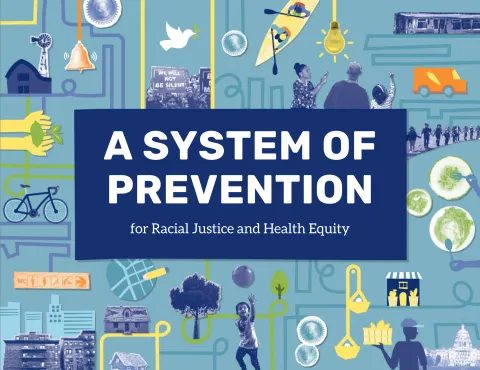
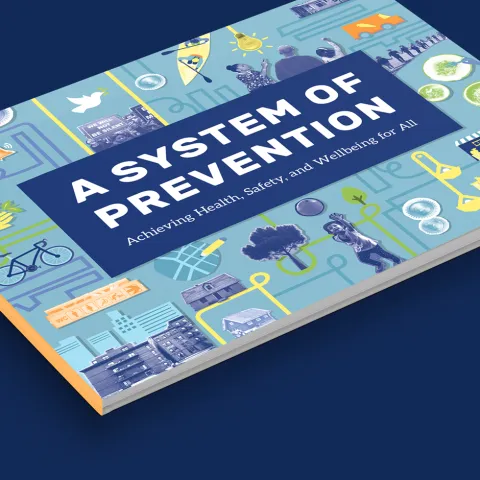
Community members and racial justice advocates are collectively pursuing transformative solutions designed for equity and justice, which requires dismantling and replacing policies, practices, and investment patterns that reinforce structural racism. Prevention Institute is joining this call to action through a body of work to advance a System of Prevention for Racial Justice and Health Equity that supports health, safety, and wellbeing.

Completed
Project - Completed
As part of a statewide movement, Prevention Institute is strengthening community safety in California through strategies that promote health equity and racial justice.

Completed
Project - Completed
The Big Cities Health Coalition (BCHC) and Prevention Institute, with support from the Skoll Foundation, are developing a playbook for rebuilding a public health system, rooted in racial equity, that builds on COVID-19 lessons and experiences.

Completed
Project - Completed
Prevention Institute partnered with Big Cities Health Coalition (BCHC) members and staff to develop practical tools to improve community safety throughout large metropolitan areas.
Completed
Project - Completed
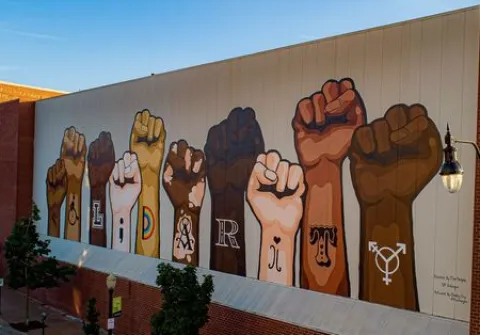
Through partnerships with national gun violence prevention networks, Black-, Indigenous-, and People of Color-led organizations, public health departments and associations, and networks of young leaders, Prevention Institute will build power within and among impacted communities, with a focus on racial and gender justice policies and practices.

Completed
Project - Completed
Building on our five years of working alongside the Milwaukee Office of Violence Prevention to develop the Blueprint for Peace, which is grounded in our Adverse Community Experiences and Resilience (ACE|R) framework, Prevention Institute is currently partnering with the Milwaukee Office of Violence Prevention to design a resident leadership and advocacy training focused on community organizing for community safety.

Completed
Project - Completed
All Children Thrive – California (ACT) is a community-led movement that transforms current systems to improve child and family well-being; connects community members with city staff and elected officials to create policies, programs, and resources; and builds networks of people and places co-designing innovative solutions and sharing their learning to help all of California’s children thrive
Completed
Project - Completed
Prevention Institute is researching and planning how to integrate intergenerational partnerships into our health equity efforts. For example, we are collaborating with community-based partners to position young leaders as subject matter experts at national conferences. This improves our work, honors young people’s wisdom, and strengthens the health equity field. We will continue to post new projects to this page as they develop.

Completed
Project - Completed
Prevention Institute’s Rachel A. Davis served as a member of the CalAIM Population Health and Open Enrollment Workgroup, which met from November 2019 to February 2020. She used this opportunity to advance an understanding of how addressing the social determinants of health can keep all Medi-Cal recipients healthy and achieve health equity.
Completed
Project - Completed
This initiative recognizes the importance of activities that take place outside of clinic walls in preventing and managing common conditions seen in family medicine. PI’s role will be to support family physicians in addressing social and environmental determinants of health.

Completed
Project - Completed
Prevention Institute’s Manal J. Aboelata is working with the Los Angeles County Departments of Public Health and Health Services to develop and implement a plan to reduce COVID-19 transmission—with a focus on health inequities in COVID-19 exposures and outcomes—and invest in community infrastructure.

Completed
Project - Completed
PI provides technical assistance and policy analysis to this California funders workgroup: Blue Shield of California Foundation, The California Endowment, The California Wellness Foundation, Sierra Health Foundation, St. Joseph Community Partnership Fund, and Well Being Trust. The group is working to articulate a shared vision for community prevention and health equity, identify and support community priorities, and invest in strategies to close gaps in health and safety.

Completed
Project - Completed
This collaborative is developing a COVID-19 policy agenda that takes the need for stable housing, mental health and wellbeing, food security, and equitable enforcement of emergency and public health powers into account.
Completed
Project - Completed
Over the course of 2018 and 2019, an internal “Violence Intersections” workgroup was convened in Multnomah County, requested by Commissioner Stegmann, to analyze how the county prevents and intervenes in multiple forms of violence across departments, and how primary investments are distributed. Recommendations emerged from the process that a cross-departmental committee to work toward a shared violence policy framework that supports and informs the Board of Health policy focus on upstream violence prevention, social determinants of health, and life-course.

Completed
Project - Completed
Prevention Institute serves as strategic advisor for the Convergence Partnership, providing staffing and guidance on strategy development and policy analysis. The Convergence Partnership is a national funder collaborative working to transform policies, practices, and systems to advance racial justice and health equity.
Completed
Project - Completed
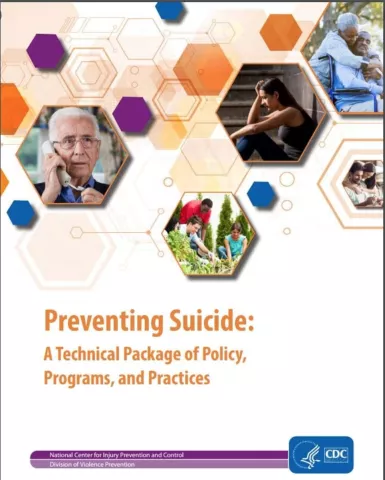
Through a cooperative agreement with the CDC, PI has partnered with RTI International and CLASP to update the technical package content and develop modules that provide a foundation for activities during periods of infrastructure disruption.

Completed
Project - Completed
COVID-19 and the national outcry for racial justice has illuminated a need for coordinated, culturally-specific and proactive ACEs and suicide prevention efforts. Through a cooperative agreement with the CDC, PI has partnered with the National League of Cities and Dr. Howard Pinderhughes to offer training and tools to local government and their partners in supporting their communities.
Completed
Project - Completed
The purpose of this project is to strengthen the capacity of BCHC member health departments to measure violence and safety and evaluate progress on prevention efforts.

Completed
Project - Completed
With funding from First 5 LA, Prevention Institute worked with community-based organizations, policy advocacy networks, and coalitions working to improve neighborhood conditions for children 0-5 and their families in Los Angeles County.
Completed
Project - Completed
Prevention Institute is excited to announce that we’re one of 10 Visualizing and Powering Healthy Lives projects that have been selected to analyze the impact of community determinants of health on life expectancy using local life expectancy data.

Active
Project - Active
Communities of Care is an initiative that supports collaborative approaches to wellbeing in the greater Houston Metropolitan Area, with a focus on children and youth of color and their families. Its goal is to strengthen efforts to transform the environments where people live, learn, work, play, and pray to support resilience, mental health, and wellbeing.

Completed
Project - Completed
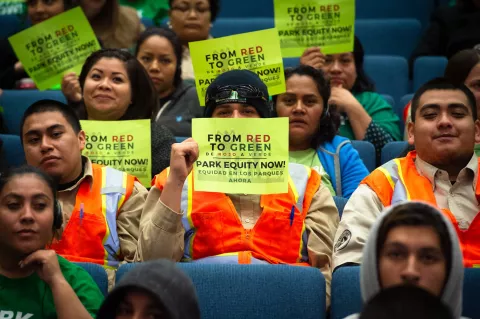
Park equity—fair and just access to parks, trails, community gardens, and other green spaces—is essential to healthy communities. But park inequities unjustly affect low-income communities across the U.S., especially people living in predominantly Black and Latino neighborhoods. Through our local-level projects and national initiatives, we are building momentum for park equity.
Completed
Project - Completed
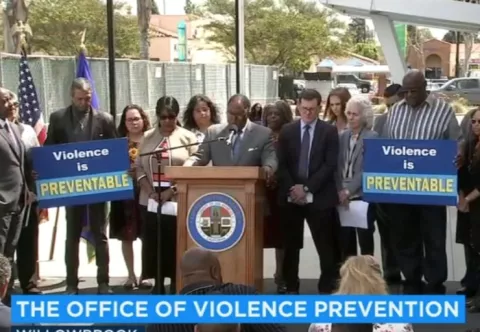
On behalf of the LA County Department of Public Health, PI developed recommendations for a proposed LA County Office of Violence Prevention. PI held listening sessions with community-based organizations and faith-based groups, and conducted interviews with subject matter experts, including service providers and survivors of multiple forms of violence. In November, PI assisted the Department of Public Health in crafting preliminary recommendations that were presented to the Board of Supervisors.

Historical
Project - Historical
Through a seven year partnership with The California Endowment’s Health Exchange Academy, Prevention Institute conducted a more than 75 trainings and workshops throughout the state that presented a primary prevention approach and engaged participants in strategies to address health inequities.

Historical
Project - Historical
Through responsive technical assistance and training, PI supports Centers for Disease Control and Prevention’s (CDC) awardees across the country. Currently PI is supporting Division of Nutrition, Physical Activity, and Obesity (DNPAO) awardees that are part of the High Obesity Program (HOP) and State Physical Activity and Nutrition Program. We have also provided services to Community Transformation Grant (CTG) recipients and consulted with CDC’s ACHIEVE communities. Our technical assistance work focuses on equity, multisector partnerships, and community engagement.

Active
Project - Active
Safety and Healing in Networks of Equity (SHINE) is a California project stewarded by Prevention Institute, co-created with a Learning Community of five collaboratives, and supported by the Blue Shield of California Foundation. The collaboratives build community leadership and power for safety through advocacy for housing and economic justice, holistic youth and family support, and community-based intergenerational healing. They are transforming community environments so that populations harmed by structural inequities and domestic violence have equitable access to conditions for safety and healing.

Historical
Project - Historical
Our approach to water equity connects a range of environmental and social issues whose challenges and solutions are interwoven, from drinking water quality and stormwater management to urban greening and fiscal equity. It also recognizes the full spectrum of disparate environmental conditions that negatively impact the health of low-income communities of color—including air, soil and water pollution and disparities in natural and recreational amenities—and considers how system-level solutions may address or compound inequities.

Completed
Project - Completed
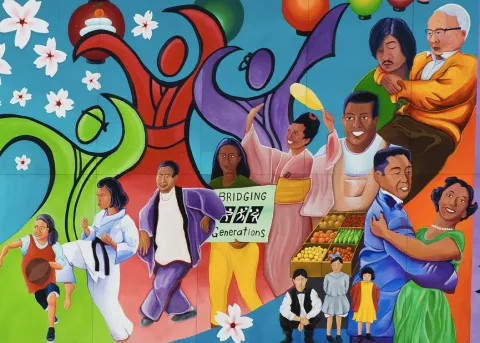
With support from The Langeloth Foundation, Prevention Institute (PI) is partnering with local communities and national networks to amplify support for a public health approach to preventing violence, while we cement our gains from the last decade and continue to innovate.
Historical
Project - Historical
With support from the Blue Shield of California Foundation, Prevention Institute’s SAFE initiative engages leaders in California to envision and design innovative, multisector, health equity strategies to prevent domestic violence.

Historical
Project - Historical
Prevention Institute is helping the Annie E. Casey Foundation develop a community safety framework that is aligned with the foundation’s principles, priorities, and existing efforts to strengthen families, build stronger communities, and ensure access to opportunity.

Completed
Project - Completed
Until now, there has been no basis for understanding how community trauma undermines resilience and mental wellbeing, especially in communities highly impacted by violence, and what can be done about it. With the support of Kaiser Permanente Community Benefit, PI and Dr. Howard Pinderhughes developed the Adverse Community Experiences and Resilience (ACE|R) framework. PI also works with communities, sectors, and policymakers to address and prevent community trauma, and to foster community resilience.

Completed
Project - Completed
For more than 10 years, PI and ValorUS have brought together this community of practice to strengthen primary prevention of sexual and domestic violence.
Historical
Project - Historical
We engage a growing network of multi-sector partners from across the state to act together to change policy and institute organizational practices that make health, safety, and equity a reality in all California communities.
Completed
Project - Completed


Historical
Project - Historical
Prevention Institute provides support to the BUILD Health Challenge—a unique coalition of national and regional funding organizations--designed to encourage communities to develop meaningful partnerships among hospitals and health systems, community-based organizations, local health departments, and other organizations to improve the overall health of local residents. The goal of the BUILD Health Challenge is to identify, accelerate, and spotlight best practice models and innovative approaches that reorient the field toward upstream factors that influence health.
Historical
Project - Historical
Prevention Institute works directly with communities funded through the Center for Disease Control and Prevention’s chronic disease prevention initiatives, including Racial and Ethnic Approaches to Community Health (REACH), to build capacity to change policies, systems, and environments.

Historical
Project - Historical
We provide training, consultation, and strategy development to state and local health departments, public health professionals, community-based organizations, and community members to build capacity to change policies, systems, and environments.
Historical
Project - Historical
We engage a growing network of multi-sector partners from across the state to act together to change policy and institute organizational practices that make health, safety, and equity a reality in all California communities.
Historical
Project - Historical
We have an opportunity to take transformational steps to improve our health system—from one that emphasizes sick care to one that focuses on keeping people healthy in the first place, and addresses inequities in health and safety.

Historical
Project - Historical
Prevention Institute is a member of the WHO’s global Violence Prevention Alliance (VPA), a network of WHO Member States, international agencies and civil society organizations working to prevent violence.
Historical
Project - Historical
Since 2010, PI has partnered with The California Endowment (TCE) to provide trainings to communities around California on using primary prevention to improve environments for health and health equity. PI developed the curriculum for TCE, Primary Prevention: Strategy for Change, which is used for these trainings.

Historical
Project - Historical
Advancing health equity is a central piece of our work in preventing violence, as we aim to address the underlying systems and conditions of inequity that create and perpetuate violence in the first place. Our research and trainings in this area address land use practices; community trauma and resilience; early childhood development; and the critical role of urban youth in fostering safe communities.

Historical
Project - Historical
In 2001-2003, we developed the Tool for Health and Resilience in Vulnerable Environments (THRIVE) for the U.S. Office of Minority Health. THRIVE is a framework for understanding how structural drivers play out at the community level to impact daily living conditions which, in turn, influence health, safety and health equity.

Historical
Project - Historical
Prevention Institute and the Center for the Study of Social Policy collaborated to identify the strategic policy, practice, systems, and norms change levers to make communities safer, so that all children have the opportunity to develop optimally and participate fully in the fabric of community life.

Historical
Project - Historical
PI is actively analyzing how an upstream, community-level prevention approach can reduce and prevent frequent utilization of high-cost healthcare services.

Historical
Project - Historical
Prevention Institute is actively exploring alternative payment models and how these models can fund community prevention and support population health and equity.

Historical
Project - Historical
In Texas, PI worked with the Episcopal Health Foundation to develop a CCHH initiative for central and south Texas as the Foundation looks to catalyze the healthcare safety net’s adoption of community health strategies.
Historical
Project - Historical
An Accountable Community for Health (ACH) is a structured, cross-sectoral alliance of healthcare, public health, and other organizations that plans and implements strategies to improve population health and health equity for all residents in a geographic area. Designed to strategically leverage resources across sectors, the ACH model presents tremendous opportunities to reduce costs, enhance quality of care, and improve population health.

Historical
Project - Historical
The two-year, $250,000 demonstration will enhance the capacity of selected health center sites to move beyond the patient-centered medical home model and serve as trusted, effective partners in community prevention.

Historical
Project - Historical
Prevention Institute conducted a landscape analysis, which was followed by information sessions and workshops hosted by the BCBSNC Foundation, to develop a commonly held understanding of community-based prevention, build a greater understanding of the CCHH model and related practices, and provide initial technical support.

Historical
Project - Historical
In partnership with the American Public Health Association, Public Health Institute and Trust for America’s Health, Prevention Institute is sponsoring a Dialogue4Health web-forum series on community prevention.
Historical
Project - Historical
Resilient equitable development is a priority area of focus for the Convergence Partnership. Equitable development is an approach to creating healthy, vibrant communities of opportunity.
Historical
Project - Historical
The Convergence Partnership is committed to supporting investments and efforts that emphasize prevention and health system improvements that advance the community’s health and safety, especially for low-income communities and communities of color.
Historical
Project - Historical
The Convergence Partnership has prioritized improving access to healthy food since its inception, bringing a systems approach and an equity orientation to investing in multisector policy solutions.
Historical
Project - Historical
Through a process of sustained community engagement and strategy prioritization, using the THRIVE tool as a framework, the Eden Area Livability Initiative will develop an integrated vision of community livability, prioritize strategies necessary in order to make this vision a reality, and identify a set of catalyst projects that will address issues of greatest concern to community member and build momentum toward sustainable long-term change.
Historical
Project - Historical
Prevention Institute provided training to build the capacity of mental health practitioners to promote effectiveness and sustainability among mental health early intervention and prevention programs for children and youth.
Historical
Project - Historical
The Health for All report identifies nine priority health disparity issues, and delineates institutional, governmental, and community strategies to improve healthcare and the environments in which people live, work, and go to school in California.
Historical
Project - Historical
Prevention Institute staff recognizes the links among multiple forms of violence and also has deep expertise in preventing specific types. This selection of projects illustrates our breadth in preventing violence.
Child Maltreatment
Historical
Project - Historical
Community Determinants of Domestic Violence
Prevention Institute analyzed the community determinants that give rise to domestic violence, in order to mobilize various sectors in a shared solution. Funded by the Blue Shield of California Foundation, this project draws upon the THRIVE framework and Collaboration Multiplier tool to identify key sectors and prime opportunities for transforming these community conditions.
Safety in All Policies
Historical
Project - Historical
Community Trauma and Resilience

Historical
Project - Historical
Through intensive collaboration with local groups, Prevention Institute has directly shaped how cities and counties approach the issue of violence and has improved prevention practice broadly.

Historical
Project - Historical
Prevention Institute provided training and technical assistance to the signature violence prevention initiatives funded by the U.S. Office of Juvenile Justice and Delinquency Prevention (OJJDP), including the National Forum for Youth Violence Prevention, Community Based Violence Prevention, and the Defending Childhood Initiative.

Historical
Project - Historical
Since 2005, Prevention Institute has supported dozens of large U.S. cities to prevent urban violence through the UNITY initiative. UNITY advances a public health approach and works closely with the UNITY City Network to develop prevention strategies that address violence before it occurs.

Completed
Project - Completed
HEALU was formed in response to structural barriers to equity in Los Angeles’ land use arena, and in an effort to strategically and collaboratively promote systems change. HEALU augments the role of health in the land use sphere through training, capacity building, convening and proactively advancing key strategies to ensure a healthier, more equitable land use system.
Historical
Project - Historical
As a key partner in the development of a Traffic Safety Center in the western United States, Prevention Institute was involved in designing an interdisciplinary approach that includes public health, engineering, city planning, law enforcement, optometry, and medicine to provide focused research, training, and practice in traffic safety.
Historical
Project - Historical
Prevention Institute recognizes the link between unintentional injury prevention and physical activity promotion. Manal Aboelata, Managing Director at Prevention Institute, leads workshops to help community residents and leaders articulate barriers and facilitators of healthy, equitable built environments based on their own experience.
Historical
Project - Historical
The Safe Routes to School National Partnership is a network of more than 300 nonprofit organizations, government agencies, schools, and professionals working together to advance the Safe Routes to School (SRTS) movement in the United States. Prevention Institute participates in monthly steering committee meetings, providing expertise on health equity and injury and violence prevention.

Completed
Project - Completed
Making Connections for Mental Health and Wellbeing Among Men and Boys is a national initiative to transform community conditions that influence mental wellbeing. Thirteen communities across the U.S. are developing and activating strategies to improve conditions that can affect the wellbeing of men, boys and their families, including social connections, economic and educational opportunities and assets, and improvements in the physical environment.The Movember Foundation is funding the work; Prevention Institute is providing coordination, training, and technical assistance; and a team from the University of South Florida is evaluating progress and outcomes.
Historical
Project - Historical
Prevention Institute co-planned and facilitated a Health Equity Summit in 2013 with the California Tobacco Control Program and more than 50 key stakeholders. Over the one-and-a-half day Summit, participants prioritized essential foundational approaches and 11 promising strategies that demonstrate potential in narrowing or reducing tobacco-related disparities in California.

Historical
Project - Historical
Informed by community wisdom and experience, the Strategic Alliance network of advocates shines a light on the role that corporate and government practices play in shaping food and activity environments.
Historical
Project - Historical
Prevention Institute coordinates a pilot effort to explore policy and environmental approaches to prevent violence and improve healthy eating and active living.
Historical
Project - Historical
Prevention Institute provided consultation to Prevention/Early Intervention grantees in the areas of effectiveness and sustainability and has captured community successes through a series of profiles for the U.S. Substance Abuse and Mental Health Services Administration (SAMHSA).

Historical
Project - Historical
Over the course of a decade, stakeholders in the western unincorporated area of Alameda County (also called "The Eden Area") came together to identify, discuss, and debate the most important issues facing their communities. Collectively, they developed a vision of livable communities and a prioritized set of actions.

Completed
Project - Completed
Prevention Institute provides ongoing guidance, strategy development, and policy analysis for the Convergence Partnership - a national collaborative of funders in the United States whose goal of policy and environmental change will help reinvent communities.
Historical
Project - Historical
This report provides the framework created to promote the emotional, psychological, and physical well-being of San Mateo County. Includes strategies to promote policy and organizational practice changes and interdisciplinary partnerships.
Collaborate With Us
Join us in advancing health equity and community empowerment — get in touch today to support the Prevention Institute’s efforts.